Vectorized and performance-portable Quicksort (2022) Today we're sharing open source code that can sort arrays of numbers about ten times as fast as the C++ std::sort, and outperforms state of the ar
By Coderz Club · 2026-09-17 · Tags: html, go, opensource
Vectorized and performance-portable Quicksort (2022)
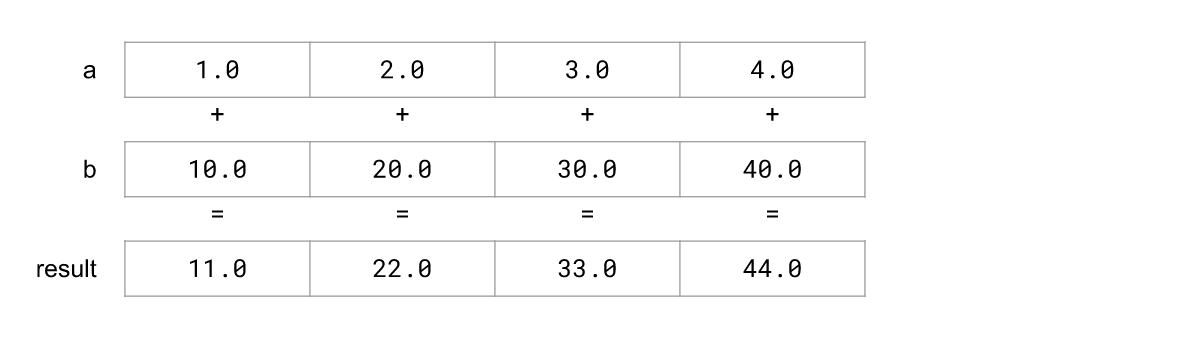
Today we're sharing open source code that can sort arrays of numbers about ten times as fast as the C++ std::sort, and outperforms state of the art architecture-specific algorithms, while being portable across all modern CPU architectures. Below we discuss how we achieved this.First, some background. There is a recent trend towards columnar databases that consecutively store all values from a particular column, as opposed to storing all fields of a record or "row" before those of the next record. This can be faster to filter or sort, which are key building blocks for SQL queries; thus we focus on this data layout.Given that sorting has been heavily studied, how can we possibly find a 10x speedup? The answer lies in SIMD/vector instructions. These carry out operations on multiple independent elements in a single instruction for example, operating on 16 float32 at once when using the AVX-512 instruction set, or four on Arm NEON:
Today we're sharing open source code that can sort arrays of numbers about ten times as fast as the C++ std::sort, and outperforms state of the art architecture-specific algorithms, while being portable across all modern CPU architectures. Below we discuss how we achieved this.First, some background. There is a recent trend towards columnar databases that consecutively store all values from a particular column, as opposed to storing all fields of a record or "row" before those of the next record. This can be faster to filter or sort, which are key building blocks for SQL queries; thus we focus on this data layout.Given that sorting has been heavily studied, how can we possibly find a 10x speedup? The answer lies in SIMD/vector instructions. These carry out operations on multiple independent elements in a single instruction for example, operating on 16 float32 at once when using the AVX-512 instruction set, or four on Arm NEON: