Bioengineered chewing gum may offer a way to fight HPV and other microbes Science News from research organizations Cancer-fighting chewing gum cuts HPV levels by up to 93% Bioengineered chewing gum m
By Coderz Club · 2026-08-07 · Tags: ai
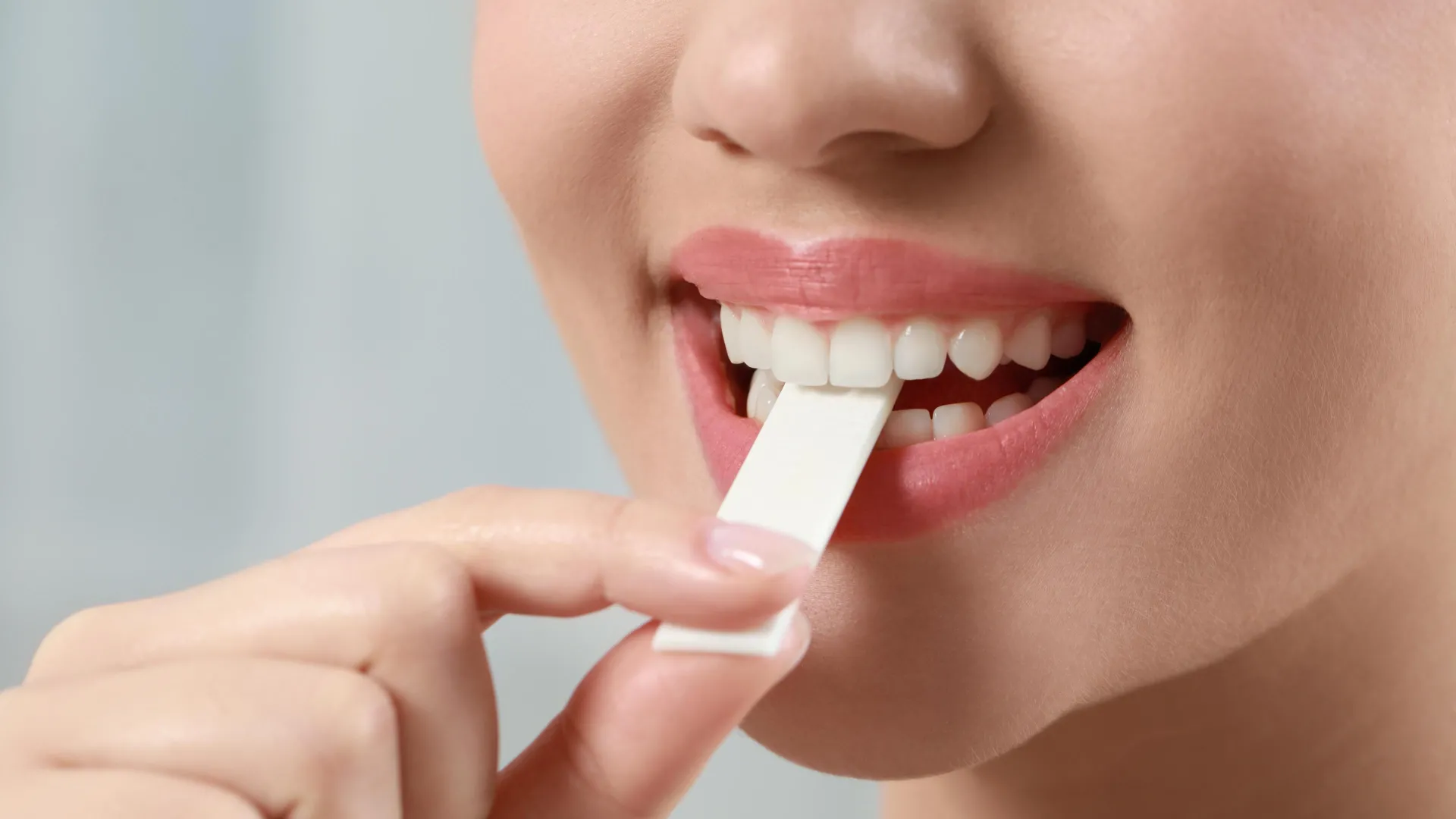
Bioengineered chewing gum may offer a way to fight HPV and other microbes
Science News from research organizations Cancer-fighting chewing gum cuts HPV levels by up to 93% Bioengineered chewing gum may offer a surprisingly powerful new way to fight microbes linked to head and neck cancer. Date: August 4, 2026 Source: University of Pennsylvania Summary: A specially engineered chewing gum reduced HPV by up to 93% and nearly eliminated two bacteria linked to head and neck cancer. The treatment preserved beneficial mouth bacteria, raising hopes for a safer and more affordable therapy. Share: Facebook Twitter Pinterest LinkedIN Email FULL STORY Researchers developed a bioengineered chewing gum that sharply reduced three microbes linked to head and neck cancers. Credit: Shutterstock Researchers have developed a bioengineered chewing gum that may offer a new way to target microbes associated with head and neck cancer. In tests involving oral samples from patients, extracts from the gum sharply reduced one virus and two types of bacteria linked to the disease. The research team was led by Henry Daniell of the School of Dental Medicine at the University of Pennsylvania. The findings were published in Scientific Reports and could support the development of more accessible and affordable treatments. A Need for Better Head and Neck Cancer Therapies Head and neck squamous cell carcinoma (HNSCC) is a common form of cancer that begins in the tissues lining the mouth and throat. The disease can be particularly aggressive, and outcomes are often poor when it is discovered at a later stage. Daniell says that many recently approved cancer medications have not produced major improvements in patients' quality of life or five-year survival. That limited progress highlights the need for new approaches that can work alongside existing treatments. Targeting HPV and Harmful Oral Bacteria The new study builds on earlier research involving chewing gum made from lablab beans (bean gum). The gum contains FRIL, a naturally occurring antiviral protein. Daniell and his colleagues used oral samples from patients with HNSCC to study three microbes associated with cancer. These included human papillomavirus, or HPV, along with two bacterial species, Porphyromonas gingivalis (Pg) and Fusobacterium nucleatum (Fn). "The global increase in oropharyngeal cancer is linked to HPV infection," says Daniell. "And Pg and Fn infections worsen survival rates of untreated recurrent or metastatic oral cancer, even after surgery and risk-adjusted adjuvant, or supplemental, therapies." Gum Extracts Sharply Reduce Microbe Levels Tests showed that extracts from the bean gum lowered HPV levels by 93% in saliva samples. HPV levels also fell by 80% in oral rinse samples. The researchers then engineered the bean gum to contain protegrin, an antimicrobial peptide capable of killing harmful bacteria. A single dose brought levels of Pg and Fn down to almost zero. Importantly, the treatment did not appear to harm the beneficial bacteria that normally live in the mouth. Radiation therapy can have a different effect, reducing helpful bacteria while encouraging the growth of disease-causing yeast (Candida albicans). A Potential Addition to Cancer Treatment The ability to target dangerous microbes while preserving the healthy oral microbiome could make the gum useful in several ways. Researchers believe it may eventually serve as an additional therapy alongside current cancer treatments or as a preventive measure against infection and transmission. "Lip and oral cavity cancer was the seventh leading cancer type in cancer incidence and mortality rate worldwide in adolescents, young adults, and middle-aged adults in 2022," says Daniell. "Our findings support the value of advancing these therapies to clinical trials as adjuvants with current treatments or as prophylaxis to prevent infection and transmission." Henry Daniell is the W.D. Miller Professor in the Department of Basic & Translational Sciences at the School of Dental Medicine at the University of Pennsylvania. Other authors include Geetanjali Wakade, Rahul Singh, and Smruti Nair of Penn Dental Medicine; Andr s M. Bur and Sufi M. Thomas of the University of Kansas Medical Center; Eri S. Srivatsan and Marilene B. Wang of the University of California at Los Angeles; and Saroj K. Basak of the Veterans Administration Greater Los Angeles Healthcare System. The research received support from NIH (grant 5-R01-HL 107904-13 awarded to Henry Daniell), the Academic Senate Grant of the David Geffen School of Medicine at UCLA (the Surgical Education Research program), and the National Cancer Institute Cancer Center (Support Grant P30 CA168524). RELATED TOPICS Health & Medicine Gynecology Today's Healthcare Dentistry Infectious Diseases HIV and AIDS Diseases and Conditions Down Syndrome Workplace Health RELATED TERMS Cancer HPV HPV vaccine Therapy dog Headache Gene therapy Cervical cancer Bruxism Story Source: Materials provided b
Science News from research organizations Cancer-fighting chewing gum cuts HPV levels by up to 93% Bioengineered chewing gum may offer a surprisingly powerful new way to fight microbes linked to head and neck cancer. Date: August 4, 2026 Source: University of Pennsylvania Summary: A specially engineered chewing gum reduced HPV by up to 93% and nearly eliminated two bacteria linked to head and neck cancer. The treatment preserved beneficial mouth bacteria, raising hopes for a safer and more affordable therapy. Share: Facebook Twitter Pinterest LinkedIN Email FULL STORY Researchers developed a bioengineered chewing gum that sharply reduced three microbes linked to head and neck cancers. Credit: Shutterstock Researchers have developed a bioengineered chewing gum that may offer a new way to target microbes associated with head and neck cancer. In tests involving oral samples from patients, extracts from the gum sharply reduced one virus and two types of bacteria linked to the disease. The research team was led by Henry Daniell of the School of Dental Medicine at the University of Pennsylvania. The findings were published in Scientific Reports and could support the development of more accessible and affordable treatments. A Need for Better Head and Neck Cancer Therapies Head and neck squamous cell carcinoma (HNSCC) is a common form of cancer that begins in the tissues lining the mouth and throat. The disease can be particularly aggressive, and outcomes are often poor when it is discovered at a later stage. Daniell says that many recently approved cancer medications have not produced major improvements in patients' quality of life or five-year survival. That limited progress highlights the need for new approaches that can work alongside existing treatments. Targeting HPV and Harmful Oral Bacteria The new study builds on earlier research involving chewing gum made from lablab beans (bean gum). The gum contains FRIL, a naturally occurring antiviral protein. Daniell and his colleagues used oral samples from patients with HNSCC to study three microbes associated with cancer. These included human papillomavirus, or HPV, along with two bacterial species, Porphyromonas gingivalis (Pg) and Fusobacterium nucleatum (Fn). "The global increase in oropharyngeal cancer is linked to HPV infection," says Daniell. "And Pg and Fn infections worsen survival rates of untreated recurrent or metastatic oral cancer, even after surgery and risk-adjusted adjuvant, or supplemental, therapies." Gum Extracts Sharply Reduce Microbe Levels Tests showed that extracts from the bean gum lowered HPV levels by 93% in saliva samples. HPV levels also fell by 80% in oral rinse samples. The researchers then engineered the bean gum to contain protegrin, an antimicrobial peptide capable of killing harmful bacteria. A single dose brought levels of Pg and Fn down to almost zero. Importantly, the treatment did not appear to harm the beneficial bacteria that normally live in the mouth. Radiation therapy can have a different effect, reducing helpful bacteria while encouraging the growth of disease-causing yeast (Candida albicans). A Potential Addition to Cancer Treatment The ability to target dangerous microbes while preserving the healthy oral microbiome could make the gum useful in several ways. Researchers believe it may eventually serve as an additional therapy alongside current cancer treatments or as a preventive measure against infection and transmission. "Lip and oral cavity cancer was the seventh leading cancer type in cancer incidence and mortality rate worldwide in adolescents, young adults, and middle-aged adults in 2022," says Daniell. "Our findings support the value of advancing these therapies to clinical trials as adjuvants with current treatments or as prophylaxis to prevent infection and transmission." Henry Daniell is the W.D. Miller Professor in the Department of Basic & Translational Sciences at the School of Dental Medicine at the University of Pennsylvania. Other authors include Geetanjali Wakade, Rahul Singh, and Smruti Nair of Penn Dental Medicine; Andr s M. Bur and Sufi M. Thomas of the University of Kansas Medical Center; Eri S. Srivatsan and Marilene B. Wang of the University of California at Los Angeles; and Saroj K. Basak of the Veterans Administration Greater Los Angeles Healthcare System. The research received support from NIH (grant 5-R01-HL 107904-13 awarded to Henry Daniell), the Academic Senate Grant of the David Geffen School of Medicine at UCLA (the Surgical Education Research program), and the National Cancer Institute Cancer Center (Support Grant P30 CA168524). RELATED TOPICS Health & Medicine Gynecology Today's Healthcare Dentistry Infectious Diseases HIV and AIDS Diseases and Conditions Down Syndrome Workplace Health RELATED TERMS Cancer HPV HPV vaccine Therapy dog Headache Gene therapy Cervical cancer Bruxism Story Source: Materials provided b